The Stourbridge Shuttle: A Practical Case of VLR
The Government’s Mass Transit Taskforce faces a practical challenge: how can Britain deliver better public transport faster, more efficiently and at lower cost? As it examines established tram and metro systems alongside emerging technologies such as Very Light Rail, Pre Metro believes its existing operation deserves closer attention.
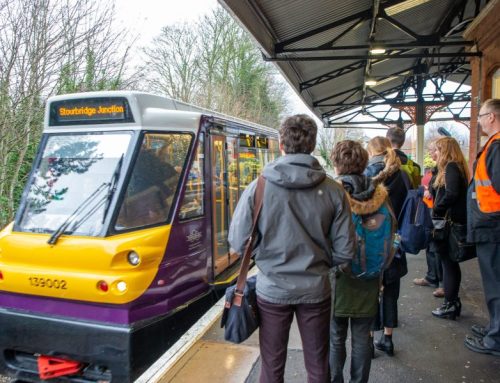
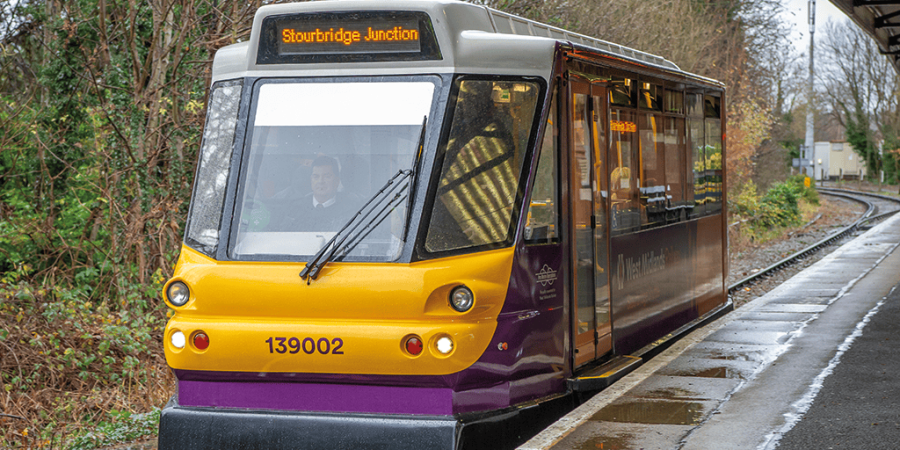
For more than seventeen years, the Stourbridge Shuttle has connected Stourbridge Junction and Stourbridge Town, generating everyday experience of operating Very Light Rail. Its relevance to the Taskforce lies in both the service it provides and the lessons it offers about maintaining vehicles, managing infrastructure and meeting passenger needs.
The Stourbridge Shuttle carries thousands of passengers each week, and its operating costs are up to 50% lower than those of a conventional heavy rail service. That makes it a useful case for examining how different approaches to railway operation can support more affordable transport provision.
Those lessons learnt also underpin the Dudley Dasher proposal, a connection between Stourbridge and Brierley Hill. For Pre Metro, the relationship between the two illustrates a wider policy question: how can experience gained from an established operation help suitable new schemes progress from proposal to delivery?
Evidence from everyday operation
The almost two decades of evidence at Stourbridge extends beyond cost and figures. Years of service have produced operational knowledge covering passenger demand, reliability, maintenance, fleet management, staffing and customer experience. Maintaining a 10-minute round-trip frequency also provides practical insight into the demands of frequent operation and the resources required to sustain it.
Repeated maintenance cycles reveal requirements that may be difficult to establish through modelling alone. Daily operation has built an understanding of depot arrangements, vehicle availability and the relationship between maintenance planning and service delivery. The Shuttle also offers experience of introducing innovative lightweight technology into service within the national rail network.
For a Taskforce examining operational, planning, funding and delivery barriers, this is a relevant body of knowledge. It provides a starting point for identifying what has been demonstrated, which lessons could transfer to other locations, former Restoring Your Railway scheme routes or otherwise; and where further research or development remains necessary
Each proposed corridor will have its own demand, infrastructure and operating requirements. Stourbridge’s experience can help promoters test assumptions and identify risks, but the suitability of a new scheme must still be established on its own merits. Carefully applying operational evidence is central to making credible investment decisions.
Giving practical solutions a route forward
Pre Metro argues that the Taskforce’s recommendations should connect this evidence with the processes through which transport projects are selected, assessed and approved. Several changes could help local authorities give affordable solutions proper consideration and develop them with greater confidence.
First, Very Light Rail should be considered alongside conventional tramways, light rail and metro systems from the outset. The starting point should be the needs of the community and corridor, with capacity, frequency, accessibility, integration and whole-life cost guiding the choice of technology.
Early consideration matters. Including lower-cost options when rail reopening, regeneration and urban transport projects are first developed allows meaningful comparisons while decisions remain open. It also gives authorities time to understand the opportunities of each approach before committing substantial resources to a preferred ‘traditional’ scheme.
Second, development and approval requirements should reflect a project’s scale and complexity. Pre Metro argues that a Very Light Rail scheme of around £30 million, like the Dudley Dasher, should have a simpler pathway to progressing to development than a programme exceeding £1 billion, while retaining the scrutiny needed to establish safety, value for money and deliverability.
Clear evidence requirements and decision points could help promoters understand what is needed at each stage. A proportionate process would still address the risks of the individual project, while reducing avoidable administrative burdens that can consume limited local authority resources and slow progress.
Finally, appraisal should fully assess the benefits of better local connectivity. Access to employment, education, healthcare, and town centres can be central to schemes serving smaller towns and suburban communities. Regeneration and environmental outcomes also need careful consideration when judging the case for investment.
Starting small with the expectation of patronage growth is essential. Planning for expansion from the outset would enable capacity to increase through infrastructure improvements or the introduction of larger rolling stock as peak-time passenger demand approaches the service’s capacity
Scaling the Stourbridge Model
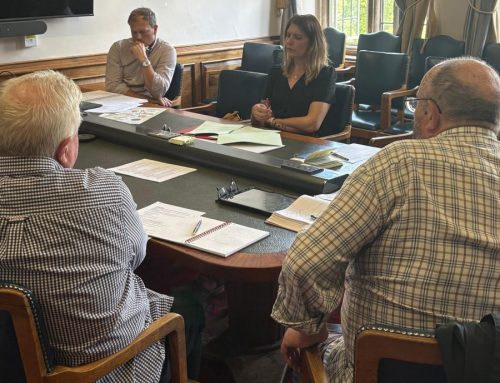
Recent discussions at Dudley Council House explored how the Stourbridge model could be expanded to improve local transport connections. Hosted by Cat Eccles, MP for Stourbridge, the meeting brought Pre Metro together with senior representatives from Dudley Council, Transport for West Midlands and Black Country Transport.
Pre Metro outlined how the model could be scaled up to provide a service between Stourbridge Junction and Brierley Hill’s Round Oak Steel Facility, operating in either tramway or rail mode.
According to Pre Metro, the model could operate at up to 50% of the cost of conventional rail services, with lower infrastructure and maintenance costs. Very Light Rail (VLR) could therefore offer an affordable, sustainable way to connect more communities to the wider railway network.
By improving connectivity, VLR could increase access to rail services and support passenger growth. Where demand exceeds capacity, larger rail vehicles could provide a route to further expansion.
The discussion also explored how the proposed ‘Dudley Dasher’ could complement wider Black Country transport and regeneration plans. Participants considered the Stourbridge–Brierley Hill connection in the context of existing infrastructure, future investment and regional priorities.
Pre Metro Chairman Steve Jasper said:
“Bringing key organisations around the same table is an important step. We now have an opportunity to work collaboratively, understand how the Dasher can complement wider transport and regeneration plans, and establish a realistic pathway for taking the proposal forward.”
Pre Metro expects a larger stakeholder meeting later this year to explore a shared position and agree next steps. The focus will be on clarifying the proposal’s requirements, its relationship with other programmes and its potential contribution to connectivity across the Black Country.
From experience to policy
The Dudley discussions reflect the wider challenge facing the Mass Transit Taskforce. Operational experience is most useful when authorities and promoters can apply it through clear development processes, appropriate funding arrangements and informed choices about the technology a corridor needs.
Stourbridge provides a practical starting point. Its years of service offer evidence that can be examined, challenged and used to improve future proposals. The Dudley Dasher presents an opportunity to explore how that knowledge might inform a new innovative approach to connection within a broader regional transport strategy.
For Pre Metro, the message to the Taskforce is clear: Britain already has experience that can help shape more affordable transport. The opportunity is to establish where those lessons apply and give suitable schemes a realistic route towards delivery.