An opportunity for local growth
Connecting Businesses and Industry with the Dasher
Getting to work, visiting a local business or reaching a new job opportunity all depend on practical transport connections. For local businesses and employers, the quality of those connections will influence how staff, customers and visitors choose to reach their doors. An effective local transport network helps businesses attract trade, recruit from a wider area, and build stronger connections with the communities around them.
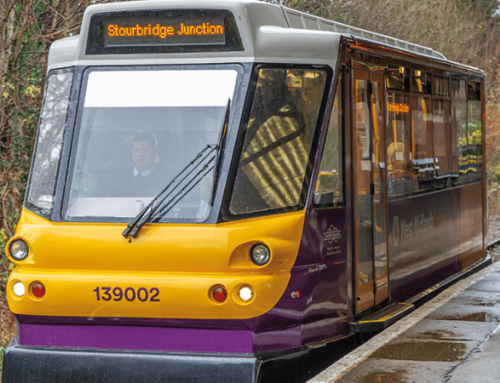
That is something we’re aiming to achieve with our proposed Dudley Dasher. With access to Brierley Hill town centre from Canal Street, connections to employment around Amblecote and Vicarage Road, and a potential interchange with West Midlands Metro at Merry Hill, this proposal aims to support local enterprises and employees while improving access to the wider regional economy.
Something we’ve already tried to address with our research and survey work is to identify the types of journeys that matter to local businesses and employers, ensuring we can shape Dasher service around practical day-to-day needs.
For Pre Metro, this is central to the Dudley Dasher’s purpose. By making everyday journeys easier, the proposed service could help local businesses reach more customers, employers connect with more potential staff, and residents access a wider range of opportunities.
Canal Street: a gateway to Brierley Hill town centre
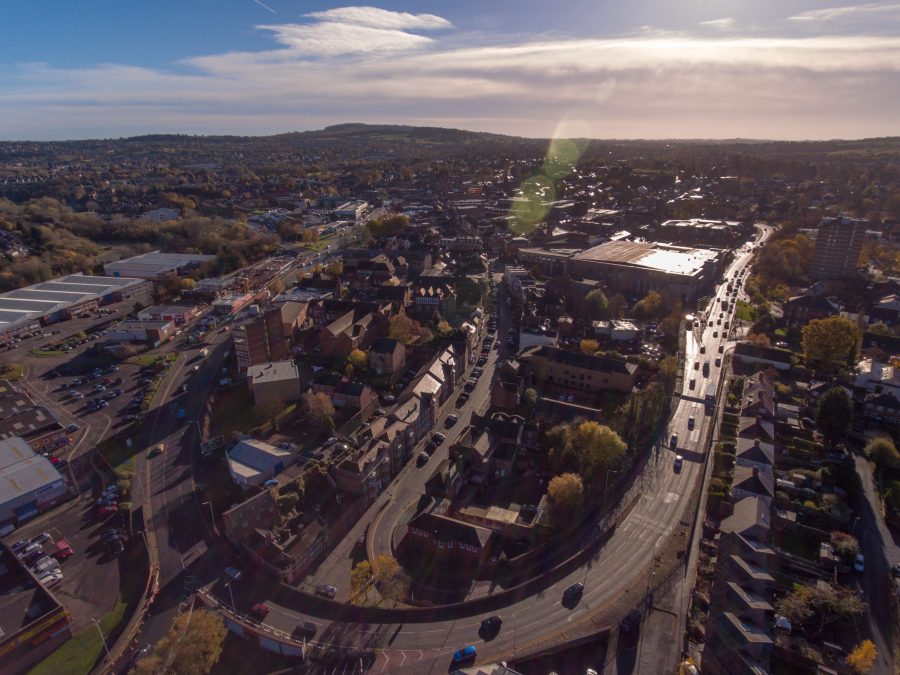
At the Canal Street end of the proposed route, the Dudley Dasher could provide a convenient arrival point for people heading into Brierley Hill town centre, with the potential to form an important interchange with the West Midlands Metro extension. Bringing these connections together could improve access to the town from Stourbridge and the wider transport network.
For passengers, this could mean a quick and easy rail journey with a walk to retail, services or their place of employment. For businesses, it brings more potential customers within reach, including people who do not drive or would prefer to leave the car at home. Making the town centre easier to reach could also encourage more frequent visits, helping local businesses build repeat custom.
These benefits extend beyond journeys made for a single purpose. Someone travelling into town for an appointment might also stop at a café, pick up shopping or visit another local business before heading home. When these activities fit conveniently into one trip, there are more opportunities for people to spend time and money locally. Independent businesses could benefit from being part of a town centre that people can comfortably explore on foot.
Brierley Hill’s regeneration provides an important context for this connection. In February 2026, Dudley Council announced approval of revised plans for a £20 million investment through the government’s Local Regeneration Fund, supporting improvements to the town centre. Better transport access could help connect more people with the opportunities created by that investment.
The connection between Canal Street and the High Street would be particularly important. Better access ensures that we can connect more people with those improvements, whilst visible connections to the High Street could help Canal Street feel like a gateway into town, encouraging passengers to explore businesses beyond their original destination. Working with local traders to highlight nearby shops, cafés and services could further strengthen that relationship.
Brettell Lane and Moor Street: connecting people with employment
Around Brettell Lane and Moor Street, the proposed Dudley Dasher route offers an opportunity to improve access to established business and industrial areas.
Connecting these workplaces with surrounding communities could make the service a useful part of everyday working life, supporting both local employers and the people they depend on.
For those working in these locations, a convenient public transport option could make commuting more manageable and reduce reliance on a household car. In households where one vehicle is shared, an alternative way to reach work can make a meaningful difference, giving people greater flexibility to organise their day. It could also help reduce some car journeys on busy local roads, including the A461.
For jobseekers, better connections could widen the range of workplaces they can realistically consider. The distance to a potential employer is only one part of the equation: the time, cost and complexity of getting there can determine whether a role is practical to accept. Through onward rail connections at Stourbridge Junction, the proposed service could also improve access for people travelling from places such as Kidderminster and Worcester.
Employers could benefit from a broader pool of potential applicants, while existing staff would have more choice about their journey to work. For smaller businesses in particular, making premises easier to reach could support recruitment by reducing one of the practical barriers facing prospective employees.
Delivering these benefits would depend on how well the service fits local working patterns. Engagement with employers around Brettell Lane and Moor Street will help establish these needs, including where shift patterns create demand outside conventional commuting times.
Merry Hill: linking local journeys with West Midlands Metro
Merry Hill offers a different but complementary opportunity: benefiting from the connection of the West Midlands Metro with our proposal at Canal Street. A convenient interchange would link local journeys from Stourbridge and communities along the Dasher corridor with onward travel through Dudley and into the wider regional network.
For passengers, the value of this connection would depend on how easily they could move between services. Clear information, integrated ticketing and coordinated service planning could make journeys involving both networks more straightforward.
Merry Hill is a major destination in its own right. Its owner, Redical, reports that the centre attracts more than 15 million visitors annually and supports over 8,000 jobs in the local economy. This concentration of employment, shopping and leisure makes convenient public transport particularly valuable.
For employees, a Dasher connection could provide another practical way to reach work, reducing dependence on access to a car. Retail, hospitality and leisure roles often involve early starts, evening finishes and weekend shifts, so service hours and onward connections would be important considerations. Working with the centre and its employers could help identify how the proposed service would make the greatest difference.
For visitors, easier access could make shopping, dining and leisure trips more convenient, including for younger people and households without a car. It could also allow passengers to combine a visit to Merry Hill with other destinations along the route, helping connect the centre’s activity with businesses and services across the surrounding area.
A route that connects people and opportunity
The Dudley Dasher’s potential lies in its ability to connect the community: the homes, workplaces, high streets and leisure destinations that shape everyday life across the area.
Canal Street could provide a gateway to Brierley Hill town centre, helping more people reach its businesses and services. Stops serving employment areas around Amblecote, Brettell Lane and Moor Street could make local workplaces more accessible. An end-of-the-line interchange could connect one of the UK’s largest shopping centres with customers and employees from Stourbridge, Kidderminster, and Worcester.
Together, these connections could give residents more choice about where they work, shop and spend their time. For businesses, they could improve access to customers and potential employees, while helping activity at major destinations benefit other places along the route.
Realising that potential requires a service designed around the people who would use it: this means practical timetables; accessible stops; straightforward and integrated ticketing; and safe, welcoming walking connections.
Our engagement with residents, employers and local traders so far has given us a good indication that the service will establish better accessibility, increase footfall, and support employment opportunities. But we recognise that more engagement is needed to understand travel patterns and to ensure the service responds to local everyday needs, from reaching an early shift to visiting the High Street or making an onward connection.
For Pre Metro, the Dudley Dasher aspires to be a locally focused service that supports the businesses already here, connects more people with employment and services, and helps communities share in the area’s future investment.