
Design Real Passenger Journeys
Public transport in the UK is often planned around speed, scale, and network efficiency, yet for many people, it still fails to meet the needs of everyday life. New research and local experience show that the biggest challenge is not ambition, but a disconnect between how transport is designed and how people actually travel.
Most journeys are short, local, and routine: getting to work, school, shops, or healthcare. For these trips, reliability and frequency matter far more than headline journey times. Passengers choose services they can trust – ones that turn up consistently and fit naturally into daily routines.
When services are unreliable or infrequent, people don’t complain; they simply stop using them. Over time, this pushes communities towards car dependency, increasing congestion, inequality, and pressure on town centres.
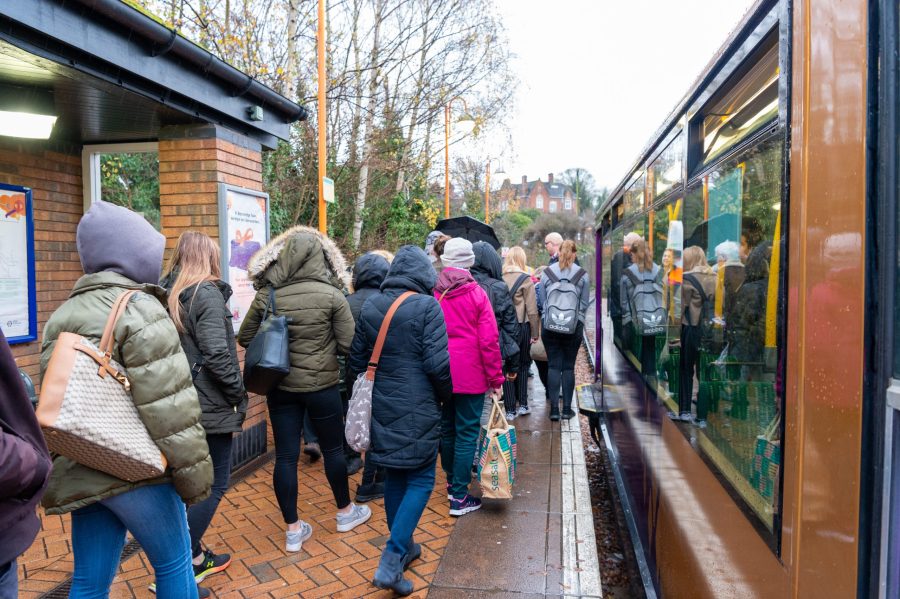
Local rail services that prioritise simplicity and frequency can reverse this trend. Turn-up-and-go operations reduce the need for timetables, lower the mental effort of travel, and make public transport feel usable for everyone. The Stourbridge Shuttle demonstrates how a frequent, dependable local service can become part of everyday life rather than a last resort.
Ignoring real passenger journeys comes at a cost. Car dependency rises, access to opportunity becomes uneven, and local economies suffer as town centres become harder to reach. Designing transport around abstract performance metrics may look efficient on paper, but it delivers poor long-term value if people do not use it.
As the rail industry prepares for reform under Great British Railways, there is a clear opportunity to rethink priorities. Smaller, locally focused rail services are not marginal; they are essential to building trust, supporting communities, and creating sustainable travel habits.
The message is simple: public transport works best when it is designed around people, not just plans. Reliability, frequency, and usability are what turn infrastructure into everyday journeys – and what will ultimately determine whether public transport succeeds.